Mental Health Referral Coordination Software: Complete Guide for Care Teams (2026)
Mental health referral coordination is not just about sending patients to providers; it's about ensuring they actually receive care.
In many healthcare settings, referrals are initiated but not consistently tracked through completion. This creates gaps where patients may not connect with services, follow-ups are missed, and outcomes remain unknown.
A more effective approach is a closed-loop referral model, in which every referral is tracked from initial screening through service delivery to outcome reporting.
What Are Mental Health Referrals?
Mental health referrals involve connecting individuals to appropriate behavioral health services such as therapy, counseling, crisis support, or psychiatric care.
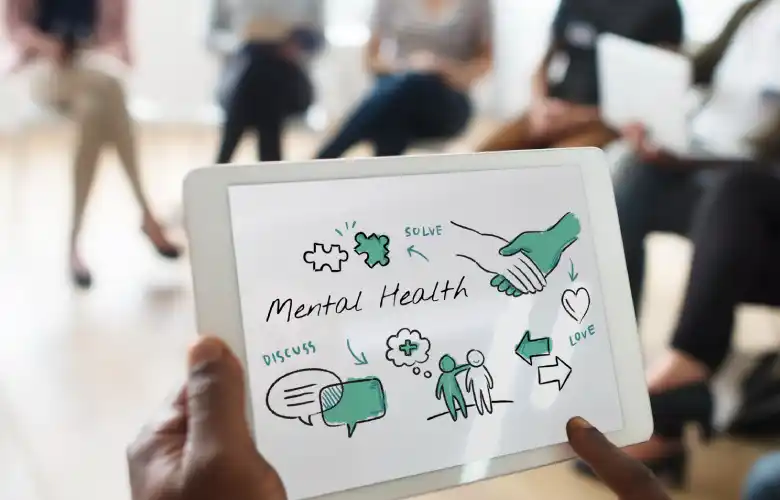
These referrals often require coordination between:
- Healthcare providers
- Behavioral health specialists
- Community-based organizations (CBOs)
Because multiple organizations are involved, successful referrals depend on clear communication, timely follow-up, and visibility into outcomes.
Why Mental Health Referrals Break Down
Mental health referrals are more complex than standard clinical referrals due to several challenges:
1. Lack of Follow-Up Visibility
Once a referral is sent, care teams often lack visibility into whether:
- The provider accepted the referral
- The patient attended the appointment
- Care was delivered
2. Multi-Organization Coordination
Mental health referrals frequently involve external providers or CBOs, each with different processes and availability.
Without structured coordination, referrals can stall between organizations.
3. Delays in Access to Care
Wait times for behavioral health services can be long. Without tracking and follow-up, patients may disengage before receiving care.
4. Limited Outcome Reporting
Even when services are delivered, referring teams may not receive updates on:
- Treatment engagement
- Service completion
- Patient progress
How Mental Health Referral Coordination Works (Closed-Loop Approach)
A structured, closed-loop workflow ensures that referrals are not just initiated but completed and reported.
1. Behavioral Health Screening
Patients are assessed using standardized tools or intake workflows to identify mental health needs.
2. Referral Routing
Referrals are matched to appropriate providers or CBO partners based on:
- Need
- Location
- Eligibility
- Availability
3. Provider Acceptance
The receiving organization reviews and accepts (or redirects) the referral.
4. Service Delivery
The patient receives care through the selected provider or community organization.
5. Outcome Reporting & Follow-Up
Service outcomes are documented and shared back with the referring team, ensuring full visibility.
How GridSocial Supports Mental Health Referral Coordination
GridSocial is a closed-loop referral platform designed to support coordination across healthcare providers and community-based organizations.
It enables care teams to:
- Capture mental health needs through structured intake workflows
- Route referrals to appropriate providers and CBO partners
- Track referral status from submission to completion
- Monitor follow-ups and reduce missed connections
- Receive outcome updates from partner organizations
This approach helps ensure that referrals are tracked to completion rather than remaining open-ended.
Mental Health Referral Workflow in GridSocial
A typical workflow includes:
Screening & Need Identification
Mental health needs are captured during intake or assessment
Intelligent Referral Routing
Requests are matched to relevant providers or CBO partners
Partner Acceptance
Receiving organizations review and respond to referrals
Care Coordination & Service Delivery
Providers and partners deliver the required support
Outcome Tracking & Loop Closure
Results are recorded and shared back with the referring team
This ensures that each referral progresses through a complete, trackable lifecycle.
Why Closed-Loop Referral Coordination Matters
Traditional referral processes often lack accountability after submission.
A closed-loop approach helps:
- Ensure referrals are followed through to completion
- Improve coordination between healthcare providers and community partners
- Reduce missed connections and delays
- Provide visibility into service delivery and outcomes
Instead of relying on assumptions, care teams gain clear insight into what happens after a referral is made.
Key Capabilities That Support Mental Health Referrals
Rather than focusing on isolated features, effective referral coordination depends on capabilities such as:
Structured Intake & Data Capture
Standardized forms and workflows help ensure accurate identification of mental health needs.
Intelligent Routing
Requests are directed to the most appropriate provider or partner based on defined criteria.
Real-Time Status Tracking
Care teams can monitor referral progress, including acceptance and completion.
Coordinated Communication
Providers and partner organizations can collaborate securely throughout the referral process.
Outcome Reporting
Service results and updates are captured and shared back, enabling continuity of care.
These capabilities work together to support end-to-end referral coordination across multiple organizations.
Key Considerations When Choosing a Mental Health Referral Platform
When evaluating solutions, healthcare organizations should look for:
- Ability to track referrals from intake to outcome
- Support for coordination with community-based organizations
- Real-time visibility into referral status
- Structured workflows for screening, routing, and follow-up
- Reporting capabilities for outcomes and performance
Frequently Asked Questions
It is the process of connecting patients with behavioral health services and ensuring those referrals are followed through to completion.
Because it ensures referrals are tracked, completed, and reported rather than remaining unmonitored after submission.
Healthcare providers, behavioral health specialists, and community-based organizations all play a role.
GridSocial enables organizations to manage referrals across networks, track progress, and capture outcomes in a structured workflow.
Start Improving Mental Health Referral Coordination
Mental health referrals require more than simple coordination; they require visibility, accountability, and follow-through.
By adopting a closed-loop approach, healthcare organizations can ensure that:
- Patients successfully connect to care
- Referrals are not lost between organizations
- Outcomes are tracked and shared
GridSocial supports this by enabling structured referral workflows and collaboration across healthcare and community networks.
See how GridSocial tracks referrals from intake to outcome:
SDOH Referral Guides:
Food Insecurity Workflow | Housing Referral Tracking | Transportation Referral System | Substance Use Disorder | Financial Assistance Workflow | Behavioral Health Referral Management