SDOH Programs & Interventions: How Clinics Turn Social Needs Into Actionable Care
Clinical teams face growing challenges that extend beyond medical tasks. Patients struggle with food shortages, unsafe housing, transportation barriers, financial strain, and stress. These issues directly influence appointment attendance, chronic disease control, and overall care experience.
SDOH programs create a consistent way to identify these challenges and connect patients to the right community resources. When workflows are structured and supported by the right tools, clinics reduce manual work, speed up follow-ups, and improve patient engagement.
This guide explains how SDOH interventions work, why they are essential for modern healthcare, and how clinics can operationalize them without adding new administrative burden.
Why SDOH Programs Are Critical for Care Teams
Manual workflows and hidden social barriers cause predictable problems inside clinics and FQHCs. These challenges aren't caused by staff performance; they arise from structural limitations.
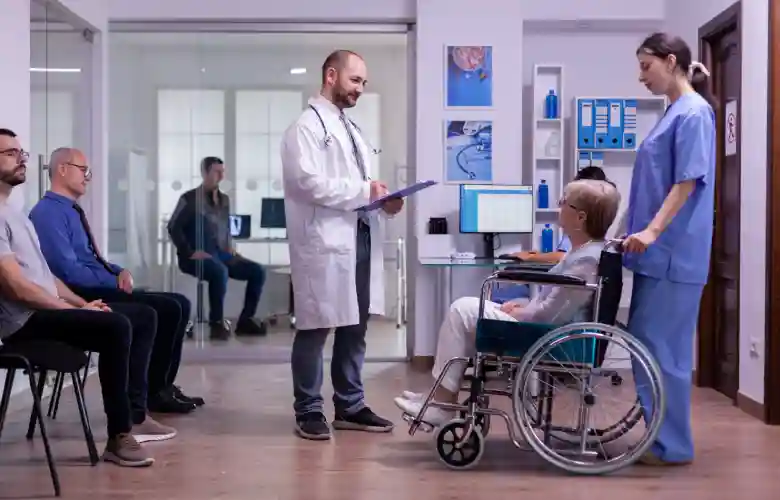
Patients often miss appointments due to everyday life barriers
Transportation issues, unpredictable work schedules, and gaps in childcare frequently interrupt care.
Example: A patient scheduled for a blood pressure check misses two visits because her shift timing changed, and she has no backup childcare.
Chronic illnesses become more complicated to manage when basic needs are unstable
Patients cannot follow diet, medication, or lifestyle plans when they cannot afford groceries, utilities, or safe housing.
Example: A patient's diabetes worsens because their refrigerator is unreliable, making insulin storage unsafe.
Staff lose valuable time coordinating with external partners manually
Teams call food banks, shelters, housing authorities, or mental health partners repeatedly to confirm availability and status.
Example: A care manager calls a housing partner three times before learning they stopped accepting referrals two weeks ago.
Reporting becomes inconsistent when SDOH data is incomplete
Screenings stored on paper or in disconnected systems create gaps in UDS/HEDIS reporting and risk scoring.
Example: A clinic finds that 1 in 4 transportation-need screenings never made it into the EHR.
SDOH programs solve these workflow gaps by introducing structure, consistency, and visibility.
How SDOH Programs Fit Into Everyday Clinical Workflows
Step 1. Screening: Discovering Social Needs Early
Clinics ask short, structured questions about food, housing, transport, income, and stress
These questions can be completed during check-in, telehealth visits, outbound calls, or through patient portals.
Example: A patient reports “no food at home for the next 2 days,” triggering immediate support.
Data is stored in the EHR following HIPAA/PHI rules
Responses must be secured, permission-controlled, and trackable.
Step 2. Stratification: Sorting Patients by Risk Level
Urgent situations move to the top of the care team’s queue
Cases involving safety risks, homelessness, or missed critical treatments require immediate attention.
Example: A dialysis patient reports “no transportation for tomorrow,” generating a high-priority alert.
Non-urgent needs are scheduled for routine assistance
This keeps workload balanced while still addressing long-term issues.
Step 3. Interventions & Referrals: Matching Patients to the Right Support
Each need is routed to the appropriate community or state programs
Food → food banks, SNAP
Housing → shelters, housing agencies
Utilities → payment assistance
Stress → behavioral health
Transportation → Medicaid NEMT or partner rides
Example: A patient struggling to afford groceries receives a SNAP enrollment referral, not just a one-time pantry visit.
Clear referral steps prevent confusion and delays
Staff know who handles each step, and patients receive instructions they understand.
Step 4. Follow-Up: Verifying That Support Reached the Patient
Clinics check whether partners accepted or declined the referral
This prevents silent failures where the referral "disappears."
Example: A housing program declines a referral due to capacity constraints, and the system automatically reroutes the case.
Care teams track progress without relying on memory
Reducing the risk of missed follow-ups.
Step 5. Closing the Loop: Documenting Outcomes
Clinics confirm whether the patient received support and record the result
This completes the story for value-based care, audits, and continuity of care.
Example: A patient who received food support shows improved A1C levels after three months.
Closed-loop documentation creates accuracy for quality scoring
Makes UDS/HEDIS reporting more reliable.
Core SDOH Interventions Used Across Healthcare
1. Food Support Programs
Give patients consistent access to meals needed for chronic care management.
Stable nutrition supports medication schedules and reduces fatigue.
Example: A patient receives weekly produce boxes that help them follow their diabetes meal plan.
2. Housing Stability Programs
Connect patients to safe, stable living conditions that support recovery
Housing improvements reduce stress, respiratory symptoms, and emergency visits.
Example: A mold cleanup reduces asthma flare-ups for a pediatric patient.
3. Transportation Support
Provide reliable rides to appointments, reducing no-shows and delays
Transportation support helps patients attend essential treatments regularly.
Example: A pregnant patient receives scheduled NEMT rides for all prenatal visits.
4. Behavioral & Social Support
Offer emotional and social resources that influence treatment adherence
Support groups, counseling, and CHW follow-ups improve engagement.
Example: A caregiver with high stress joins a support group and starts attending check-ups consistently.
5. Financial & Utility Support
Reduce financial strain so patients can follow prescribed treatment
Utility assistance, employment guidance, and insurance help improve care stability.
Example: A patient gains utility relief, allowing safe storage of temperature-sensitive medications.
Common Operational Challenges in SDOH Programs
| Challenge | What Happens / Why It Creates Problems |
|---|---|
| Screening forms are long or disconnected from the EHR | Patients skip questions, leading to incomplete data. Staff must enter answers manually, which increases workload and causes delays. |
| Referral partners frequently change capacity or intake rules | Clinics send patients to partners who are full, paused, or not accepting cases, resulting in wasted time and stalled care. |
| Manual calls and emails slow down workflows. | Care teams spend hours confirming basic updates, reducing time available for patient interaction and follow-up. |
| No visibility into referral status | Clinics cannot see whether partners accepted, rejected, or ignored referrals, leading cases to slip through the cracks. |
| Outcomes are inconsistently documented. | Missing or partial documentation weakens reporting accuracy and reduces the measurable impact of interventions. |
What Effective SDOH Programs Have in Common
Effective SDOH programs work because they follow simple, consistent workflows that staff can use without confusion. Clear steps reduce errors, speed up routine tasks, and make adoption easier across clinics and care teams.
These programs also rely on real-time updates from community partners. When partners share accurate capacity and intake details, referrals move faster, and patients avoid unnecessary delays.
Automated routing also plays a significant role. When a partner is full or unable to respond, cases shift automatically to another available resource. This keeps patient needs moving forward instead of getting stuck in backlogs or unanswered emails.
Strong SDOH programs also use HIPAA-compliant data handling and precise access controls. This protects PHI, supports audits, and builds trust with patients who share sensitive information about their home life, finances, and stress.
Finally, these programs depend on precise outcome tracking. Clinics can see which interventions were delivered, how quickly, and whether the patient's condition improved. This documentation supports value-based care, strengthens reporting accuracy, and helps teams understand the actual impact of their work.
Impact on Care Delivery and Clinic Operations
Fewer no-shows as barriers are removed early
Patients attend more visits and maintain continuity of care.
Better chronic disease control
Stable access to food, housing, and medication improves outcomes.
Reduced staff burden
Structured workflows significantly reduce manual follow-up time.
Improved value-based care performance
Better documentation strengthens reporting and payer alignment.
Conclusion
SDOH programs don’t need a complete rebuild to show results. Healthcare teams can begin by improving one part of the workflow, such as screening, referrals, or follow-up. Even a single step can help reduce delays, keep patients connected to care, and make day-to-day work easier for staff.
If your organization is looking to shape clearer, more reliable SDOH workflows, Pillar Healthcare software by SocialRoots.ai provides frameworks built for real clinical operations and community-based care.
Related Resources:
SDOH Screening | SDOH Data Collection | SDOH Data Exchange | SDOH Programs & Interventions | SDOH Challenges | SDOH Platforms SDOH Automation
More About SocialRoots.ai Healthcare Suite: