Food Insecurity Referral Management Platform: A Complete Guide to Closing the Loop in SDOH Care (2026)
Food insecurity is one of the most common and most overlooked reasons patients fail to follow through on care plans.
Patients are screened, needs are identified, and referrals are made. But somewhere between the clinic and the community resource, the process breaks. Phone numbers go unanswered, eligibility requirements create confusion, and healthcare teams rarely know if patients ever received support.
This is where referral leakage happens.
A food insecurity referral management platform transforms this fragmented process into a structured, trackable workflow, ensuring patients not only receive referrals but actually access food support services.
GridSocial is a closed-loop referral platform that enables healthcare organizations to manage the full lifecycle of SDOH interventions, including food, housing, transportation, and other social needs, within a unified system.
What Is Food Insecurity in Healthcare?
Food insecurity refers to the lack of consistent access to enough nutritious food due to financial or resource constraints.
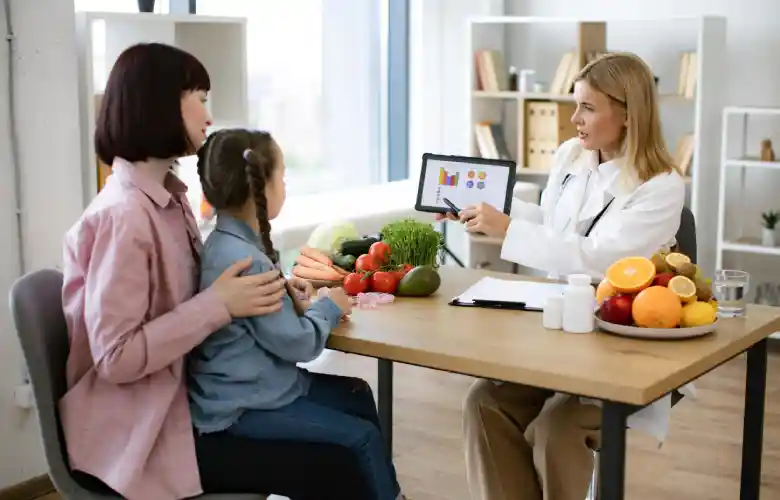
In healthcare settings, it is one of the most frequently identified social determinants of health (SDOH), directly impacting chronic disease management, recovery, and overall patient well-being.
Patients experiencing food insecurity often face:
- Inability to afford balanced meals
- Skipping meals due to financial constraints
- Reliance on low-cost, nutrient-poor food
- Difficulty managing conditions like diabetes or hypertension
Without addressing food access, clinical care alone is not enough to drive outcomes.
Why Food Insecurity Referral Management Matters
Most healthcare organizations already attempt to address food insecurity, but the process is often manual and fragmented.
Care coordinators maintain spreadsheets of food resources, make phone calls to verify availability, and attempt follow-ups with limited visibility into outcomes.
This creates multiple breakdown points:
- Referral Leakage — Patients receive resource lists but never connect with services
- Coordination Gaps — No real-time visibility into program availability
- Outcome Invisibility — No confirmation of whether support was delivered
- Administrative Overload — Manual tracking consumes care coordination time
Without a structured system, even well-intentioned referrals fail to translate into real impact.
Where Food Insecurity Referrals Break Down
The biggest challenge isn't identifying food insecurity; it's ensuring the referral actually works.
Breakdowns typically occur when:
- Referrals are handed off without a direct connection to community organizations
- Patients are expected to navigate complex systems independently
- Food programs operate outside clinical workflows
- No feedback loop exists to confirm service delivery
This disconnect leaves healthcare teams without visibility into outcomes and patients without the support they were promised.
Food Insecurity Referral Workflow (Step-by-Step)
A structured referral workflow ensures that every step from screening to outcome tracking is connected and measurable.
1. SDOH Screening That Triggers Action
Screening tools integrated into clinical workflows identify patients experiencing food insecurity and automatically initiate referral pathways.
2. Intelligent Resource Matching
Patients are matched with appropriate food resources based on location, eligibility, dietary needs, and program availability.
3. Structured Referral Routing
Referrals are sent directly to food banks, SNAP programs, or meal services through secure channels, removing reliance on patient self-navigation.
4. Service Availability and Status Tracking
Food programs often operate with limited capacity. A structured system provides real-time updates, allowing care teams to monitor referral progress without manual follow-ups.
5. Outcome Tracking and Follow-Up
Healthcare teams receive confirmation when services are delivered and can track patient outcomes through follow-up screenings.
How GridSocial Improves Food Insecurity Referral Management
GridSocial's closed-loop referral platform connects healthcare providers and community food resources within a single system.
Instead of fragmented coordination, it enables consistent workflows across multiple SDOH use cases.
From Screening to Action
Positive screenings automatically trigger referral workflows, ensuring no patient is overlooked.
Real-Time Resource Matching and Coordination
Patients are matched with food banks, pantries, SNAP programs, and nutrition services based on real-time availability and eligibility.
Direct Referral Routing
Referrals are sent directly to community organizations, eliminating the need for patients to navigate systems independently.
Bidirectional Communication and Status Updates
Healthcare teams and community partners can exchange updates in real time, improving coordination and reducing delays.
Outcome Tracking and Case-Level Reporting
Organizations can track referral completion, service delivery, and patient outcomes to measure impact.
GridSocial supports these workflows through capabilities such as real-time notifications, referral tracking, partner coordination, and case history, enabling care teams to manage food insecurity within a broader SDOH system.
Community Partners in Food Insecurity Referral Networks
Effective referral management depends on a strong ecosystem of community-based organizations:
- Food Banks and Pantries — Emergency and ongoing food access
- SNAP Enrollment Services — Assistance with federal nutrition programs
- Meal Delivery Programs — Support for homebound or high-risk patients
- Mobile Food Markets — Access in underserved communities
- Nutrition Education Programs — Long-term food security support
A centralized platform ensures that these partners operate within a coordinated network rather than isolated systems.
The Impact of Closed-Loop Food Insecurity Referrals
Healthcare organizations implementing structured referral systems experience:
- Reduced referral leakage and missed connections
- Faster access to food support services
- Improved chronic disease outcomes
- Better visibility into social care interventions
- Stronger collaboration with community organizations
This approach enables healthcare organizations to move from fragmented SDOH efforts to a unified, outcome-driven referral system.
Frequently Asked Questions
By ensuring patients receive consistent nutrition support, organizations can reduce emergency visits, improve medication adherence, and better manage chronic conditions.
Patient demographics, dietary needs, transportation access, and relevant clinical context should be included.
Through referral completion rates, time to service access, follow-up screenings, and patient-reported outcomes.
They initiate referrals, coordinate with community organizations, and track outcomes across the care journey.
See Food Insecurity Referral Management in Action
GridSocial helps healthcare organizations manage food, housing, and transportation referrals within a unified closed-loop system.
Instead of disconnected handoffs, your team gains full visibility from screening to service delivery.
See how GridSocial can reduce referral leakage and improve patient outcomes:
SDOH Referral Guides:
Food Insecurity Workflow | Housing Referral Tracking | Transportation Referral System | Substance Use Disorder | Financial Assistance Workflow