EHR Telehealth Integration: Connecting Virtual Care with Clinical Workflows
Care delivery is no longer limited to in-person visits. Telehealth has become an essential channel for how clinics, FQHCs, and hospitals deliver care, expand access, and maintain continuity.
However, telehealth delivers real value only when it is fully integrated with the EHR. When virtual visits operate outside the EHR, they often create additional work, fragmented records, and inconsistent follow-up.
EHR telehealth integration ensures virtual care fits directly into clinical workflows, patient records, and care coordination processes, supporting efficient, compliant, and connected care delivery.
What Is EHR Telehealth Integration?
EHR telehealth integration connects virtual visit technology directly with the electronic health record.
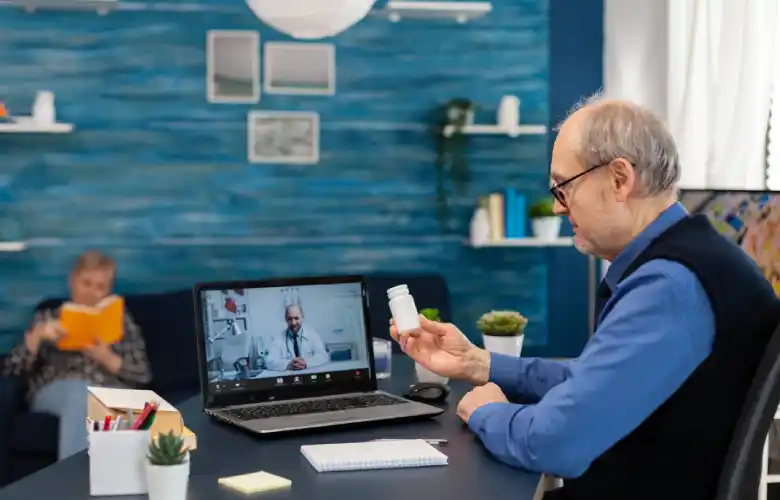
Instead of managing telehealth on a separate platform, providers and staff can conduct, document, and follow up on virtual visits within the EHR itself.
With EHR telehealth integration, care teams can:
- Schedule virtual visits using standard EHR scheduling workflows
- Launch telehealth sessions directly from patient charts
- Access patient history, medications, and care plans in real time
- Document visits during the encounter without duplicate entry
- Automatically sync notes, referrals, and follow-up tasks
This creates a single, continuous care experience across virtual and in-person settings.
Why Telehealth Breaks Down Without EHR Integration
Many healthcare organizations adopted telehealth quickly to preserve access to care. In doing so, many relied on standalone virtual visit tools that function outside the EHR.
While these tools enable video visits, they often fail to support the whole clinical workflow.
Common Telehealth Challenges Without Integration
When telehealth is not integrated into the EHR, care teams frequently encounter:
- Frequent system switching, as providers move between telehealth platforms and the EHR during and after visits
- Duplicate documentation, requiring clinicians to re-enter notes, orders, and outcomes into the patient record
- Delayed or incomplete chart updates create gaps in clinical history and decision-making
- Limited care team visibility, preventing nurses, care coordinators, and specialists from seeing virtual visit outcomes in real time
- Inconsistent follow-up workflows, where referrals, labs, medications, or care instructions are not triggered automatically
These gaps add friction to daily operations, increase provider burden, and fragment the patient record.
Over time, disconnected telehealth systems reduce continuity of care and make it harder for healthcare teams to deliver coordinated, high-quality virtual services.
How EHR Telehealth Integration Improves Care Delivery
When telehealth is embedded into the EHR, virtual care becomes a natural extension of clinical workflows rather than a separate process.
Unified Scheduling and Visit Management
Integrated telehealth allows organizations to manage virtual visits just as they manage in-person appointments. Scheduling, reminders, and visit types are standardized, reducing administrative complexity and missed appointments.
Real-Time Clinical Context During Virtual Visits
Providers can access complete patient information during telehealth encounters, including medical history, medications, allergies, lab results, and care plans. This supports informed clinical decisions and safer care delivery.
Automated Documentation and Workflow Continuity
Visit notes, diagnoses, and outcomes are captured directly in the EHR during the encounter. This reduces post-visit charting time, supports accurate documentation, and aligns with billing and reporting workflows.
Stronger Patient Engagement and Follow-Up
Integrated workflows ensure telehealth visits trigger next steps automatically. Care teams can coordinate referrals, labs, follow-up visits, and patient instructions without manual tracking, improving adherence and outcomes.
Real-World Workflow Example
Scenario: FQHC Expanding Virtual Care Access
Before integration
- Telehealth visits occur on a separate platform
- Providers document notes later in the EHR.
- Care coordinators lack visibility into virtual visit outcomes.
After EHR telehealth integration
- Virtual visits launch directly from the EHR
- Documentation saves automatically during the visit.
- Care teams see outcomes and next steps in real time.
Result: faster workflows, fewer errors, improved care continuity, and better patient engagement.
Compliance and Security Considerations
Telehealth must meet the same regulatory and security standards as in-person care.
Modern EHR-integrated telehealth platforms support:
- HIPAA-compliant data exchange
- Secure PHI handling
- Role-based access controls
- Audit trails for virtual encounters
Integration helps organizations scale virtual care while maintaining compliance and data integrity.
Who Benefits Most from EHR Telehealth Integration?
This approach supports:
- Clinics offering hybrid in-person and virtual care
- FQHCs expanding access for underserved populations
- Hospitals managing follow-ups, consults, and transitions of care
- Care teams supporting chronic and complex conditions.
- Administrators seeking operational efficiency and visibility
Across settings, the outcome is consistent: connected teams, complete records, and coordinated care.
The Future of Telehealth Is Embedded in the EHR
Virtual care will continue to grow, but disconnected systems will not scale.
EHR telehealth integration enables healthcare organizations to:
- Deliver consistent care across all visit types
- Reduce provider workload and documentation burden.
- Improve patient experience and access.
- Maintain accurate, complete clinical record.
Telehealth works best when it is part of the clinical workflow, not separate from it.
Conclusion
EHR telehealth integration ensures virtual care is not treated as a separate channel but as an extension of everyday clinical practice. When telehealth is embedded into the EHR, care teams gain better visibility, reduce manual work, and maintain continuity across in-person and virtual encounters.
As healthcare continues to evolve toward hybrid care models, integration will remain essential for delivering efficient, coordinated, and compliant care at scale.
About SocialRoots.ai Interoperability Solutions:
Legacy EHR Migration – Guaranteed 90 Days shift
EHR Integration and Interoperability Solutions
Pre-built Salesforce Integration
More About SocialRoots.ai Healthcare Suite: