FHIR Closed-Loop Referrals: Complete Healthcare Interoperability Guide (2026)
Coordinating referrals across clinics, hospitals, and community organizations remains one of the biggest challenges in healthcare. Disconnected systems, delayed updates, and incomplete data often result in missed follow-ups and poor patient outcomes.
Closed-loop referrals were designed to solve this problem, but without true interoperability, even the best workflows fall short.
FHIR (Fast Healthcare Interoperability Resources) changes that completely.
By enabling real-time, standardized, and secure data exchange across systems, FHIR transforms referral workflows into faster, safer, and fully trackable processes. This guide explains how FHIR-powered closed-loop referrals work, why they matter, and how healthcare organizations use them to improve outcomes and efficiency.
What is FHIR in Closed-Loop Referrals?
FHIR (Fast Healthcare Interoperability Resources) is a modern healthcare data standard that enables different systems, such as EHRs, referral platforms, and community organizations, to exchange patient information securely and in real time.
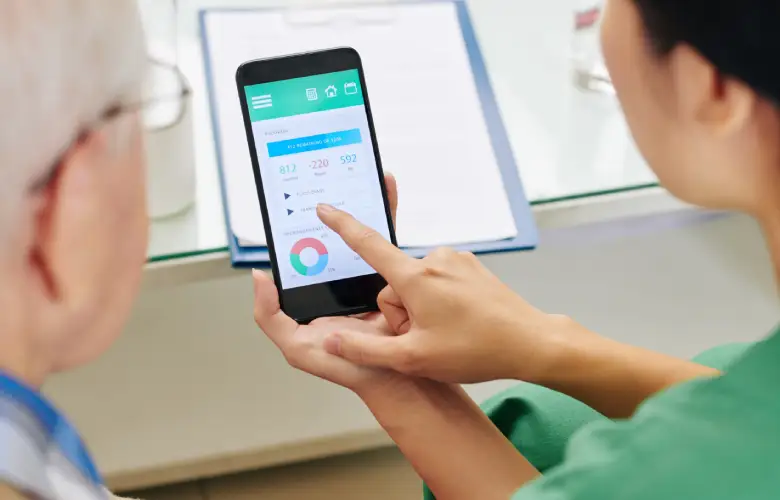
In closed-loop referrals, FHIR ensures that every step from referral initiation to completion is tracked, updated, and visible across all care teams.
What is FHIR?
FHIR builds on earlier standards like HL7 but uses modern APIs to make healthcare data exchange faster, more flexible, and easier to integrate.
Instead of relying on manual processes or fragmented systems, FHIR enables:
- Real-time data sharing across platforms
- Standardized patient information exchange
- Seamless integration with EHR systems like Epic and Cerner
- Secure communication between healthcare providers and community organizations
Why FHIR Matters for Closed-Loop Referrals
- Reduces delays by enabling instant data exchange
- Prevents referral leakage by tracking every step
- Supports real-time updates for faster decision-making
- Improves care coordination across multiple stakeholders
How FHIR Transforms Closed-Loop Referral Workflows
Step-by-Step Closed-Loop Referral Workflow
- Referral is created within the EHR
- FHIR API standardizes patient data
- Referral is transmitted to a partner (clinic or CBO)
- Partner accepts and updates the referral status
- Patient receives the required service
- Outcome is recorded and shared across systems
Key Capabilities Enabled by FHIR
Standardized Data Sharing
FHIR ensures that patient demographics, clinical data, and social needs are shared in a consistent format, reducing errors and delays.
Example: A clinic referring a patient to a food assistance program sends complete information instantly, avoiding follow-up calls.
Real-Time Status Updates
Referral progress is visible to all stakeholders, improving coordination and reducing communication gaps.
Example: A care coordinator can immediately see that a patient has completed a mental health appointment and update the care plan without delay.
Automated Alerts and Notifications
Systems trigger alerts for missed, delayed, or incomplete referrals, allowing care teams to act quickly and prevent care gaps.
Example: A social worker receives a notification if a patient has not accessed housing support within a defined timeframe, enabling timely intervention.
Secure Interoperability Across Platforms
FHIR enables secure and standardized data exchange across EHRs, referral systems, and community platforms while maintaining compliance with healthcare regulations.
Example: A hospital and a community-based organization securely share patient referral details without exposing sensitive health information, ensuring both coordination and data privacy.
Reduced Referral Leakage
By tracking every stage of the referral process, FHIR ensures that fewer referrals are lost or left incomplete.
Example: A patient referred to a community health program is automatically marked as "completed" once the service is delivered, ensuring that no referral is missed.
Measurable Outcomes
FHIR-enabled systems allow organizations to track key referral metrics and evaluate the effectiveness of care coordination efforts.
Example: A hospital administrator monitors referral completion rates and sees that 90% of referrals are fulfilled within two weeks, helping optimize resource allocation and improve program outcomes.
Operational Benefits of FHIR-Enabled Closed-Loop Referrals
- Faster referral completion
- Improved communication between providers and partners
- Reduced referral leakage
- Better patient follow-up and engagement
- Data-driven decision-making through measurable outcomes
Common Referral Workflow Bottlenecks
Even with FHIR, some challenges remain:
- Incomplete or missing patient data
- Lack of system compatibility among partners
- Delays in manual status updates
- Privacy and compliance concerns
How to Overcome These Challenges
- Ensure all partners support FHIR-based integrations
- Standardize referral forms with required data fields
- Implement automated reminders and alerts
- Regularly audit referral completion and performance metrics
Real-World Example: Hospital to Housing Support Referral
A hospital refers a patient to a housing support organization using a closed-loop referral system.
- The referral is created within the hospital system
- FHIR standardizes and transmits the patient data securely
- The housing organization receives and accepts the referral in real time
- The patient is contacted and provided support
- Referral status updates automatically across systems
Outcome: Faster referral completion, improved patient experience, and accurate reporting for care teams.
Compliance and Security Considerations
- HIPAA-compliant data exchange
- Encrypted data transmission
- Role-based access control
- Complete audit trails for accountability
- Data minimization to protect sensitive information
EHR Integration with Major Healthcare Systems
FHIR-enabled referral platforms integrate directly with leading EHR systems such as Epic and Cerner.
This allows healthcare providers to:
- Initiate referrals without leaving their EHR workflow
- Track referral progress in real time
- Coordinate seamlessly with community-based organizations
How GridSocial Enables FHIR-Based Closed-Loop Referrals
FHIR-enabled platforms like GridSocial help healthcare organizations streamline referral workflows by combining interoperability with automation.
With GridSocial, organizations can:
- Track referrals in real time
- Integrate with major EHR systems like Epic and Cerner
- Automate alerts and follow-ups
- Coordinate efficiently with community partners
- Measure referral outcomes and impact
See how FHIR-powered closed-loop referrals can improve efficiency, reduce leakage, and enhance patient outcomes. Schedule your GridSocial demo today to explore how your organization can implement a fully interoperable referral system.
Frequently Asked Questions
FHIR is a data standard that enables secure, real-time exchange of healthcare information between systems.
It ensures referrals are tracked, updated, and completed efficiently across all care providers.
Yes, most modern healthcare platforms use FHIR APIs to integrate directly with major EHR systems.
By enabling real-time tracking and communication across systems, ensuring no referral is lost.
Yes, when implemented with proper security protocols, FHIR supports HIPAA-compliant data exchange.
Conclusion
Effective referrals are critical to delivering coordinated care. Without interoperability, even the most well-designed workflows can fail.
FHIR enables healthcare organizations to move beyond fragmented systems by creating a seamless, real-time referral ecosystem. When combined with closed-loop referral systems, it ensures every referral is tracked, completed, and measured.
By adopting FHIR-enabled platforms like GridSocial, organizations can improve patient outcomes, strengthen collaboration with community partners, and build a more efficient and reliable care delivery system.
Take the next step toward fully interoperable, efficient referral management. Book a demo and discover how closed-loop referrals powered by FHIR can transform your organization.
Related Resources:
Closed-Loop vs Traditional/Manual Referrals | SDOH & Closed-Loop Referrals | Community Referral Coordination | Care Navigation Workflows | Referral Leakage Prevention | Tracking Gaps in Referral Systems | No-Show Follow-Up Workflows | Automation in Closed-Loop Referrals | Closed-Loop Software Comparison Guide | Closed-Loop ROI & Impact | FHIR & Interoperability in Closed-Loop Systems | Closed-Loop Referral Workflows | Challenges in Closed-Loop Systems
About SocialRoots.ai Interoperability Solutions:
Legacy EHR Migration – Guaranteed 90 Days shift
EHR Integration and Interoperability Solutions
Pre-built Salesforce Integration
More About SocialRoots.ai Healthcare Suite: