Closed-Loop No-Show Follow-Up Workflows for Healthcare Organizations
Referral no-shows are one of the biggest causes of care delays and referral leakage across clinics, FQHCs, and hospitals. When a patient misses an appointment or a partner fails to update their status, care teams often discover the issue too late.
Closed-loop follow-up automation solves this by triggering real-time alerts, reminders, and escalation workflows, helping organizations reduce no-shows by up to 40% and ensure every referral is completed.
Why Referral No-Shows Happen
Referral no-shows are rarely intentional. Most occur due to everyday barriers that disrupt follow-through.
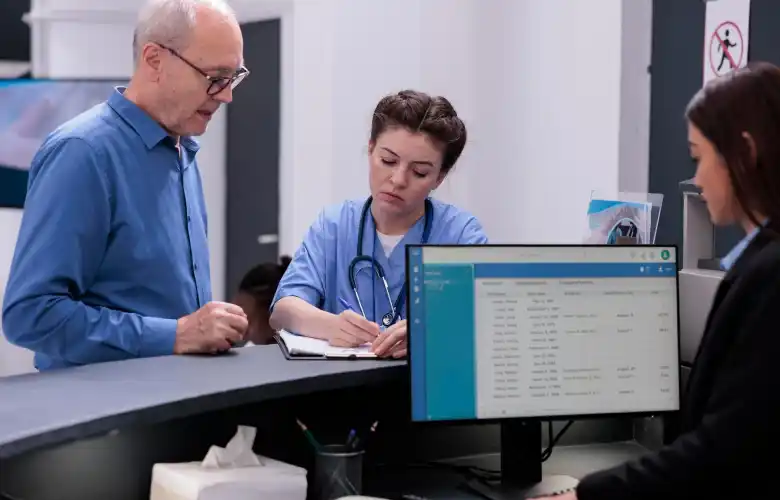
Common causes include:
- Forgotten appointments due to unclear instructions or busy schedules
- Transportation challenges, especially for social or behavioral care
- Confusion around next steps or required documentation
- Social factors such as housing instability or childcare needs
- Lack of visibility into partner actions or referral status
Without proactive follow-up, these issues quickly lead to referral drop-offs.
Why Manual Follow-Ups Often Fail
Even well-staffed care teams struggle to manage follow-ups manually.
Key limitations:
- Limited staff capacity to track every referral
- No alerts for stalled or inactive referrals
- Disconnected systems (EHRs, email, phone, spreadsheets)
- No centralized visibility into referral status
As a result, follow-ups become reactive rather than proactive, leading to missed opportunities and incomplete referrals.
7 Closed-Loop Follow-Up Strategies to Reduce Referral No-Shows
Closed-loop systems combine automation, real-time tracking, and structured workflows to actively prevent referral drop-offs.
1. Automated Appointment Reminders
- Sends SMS, email, and in-app reminders
- Supports scheduling, rescheduling, and conflict checks
- Reduces missed appointments due to forgetfulness
2. Missed Appointment (No-Show) Triggers
- Detects no-shows instantly
- Triggers automated follow-up workflows
- Assigns tasks to care, teams, or coordinators
3. Partner Update & Delay Alerts
- Flags referrals without updates
- Triggers "delayed case" alerts
- Improves accountability and response time
4. Patient Activity & Engagement Tracking
- Tracks patient inactivity and missed steps
- Sends automated nudges and reminders
- Maintains continuous engagement
5. Centralized Referral Tracking Dashboard
- Provides real-time referral visibility
- Enables filtering, reporting, and tracking
- Eliminates manual spreadsheets and guesswork
6. Two-Way Communication & Follow-Up
- Enables communication via email, notifications, and system updates
- Logs all interactions in the case history
- Reduces confusion and improves coordination
7. Intelligent Workflow Automation & Auto-Assignment
- Automatically assigns referrals to available partners
- Uses workflow rules for follow-ups and escalation
- Ensures consistent, structured processes
Together, these strategies create a proactive system where no referral is left unattended improving completion rates, reducing leakage, and enhancing patient outcomes.
Real-World Workflow Example
When a patient misses an appointment:
- The referral is marked as "no-show."
- Automated reminders are triggered
- Care teams receive alerts and follow-up tasks
- Escalation workflows activate if unresolved
- The patient can reschedule quickly
Outcome:
A missed appointment becomes a managed workflow instead of a lost referral.
Compliance, Privacy, and Security
Closed-loop systems ensure secure and compliant coordination:
- HIPAA-compliant messaging
- Role-based access controls
- Full audit trails
- Encrypted data handling
- Configurable workflows and escalation rules
Benefits of Closed-Loop Follow-Up Automation
Organizations implementing automation see measurable improvements:
- Higher referral completion rates
- Reduced manual workload
- Faster follow-ups and response times
- Improved patient engagement
- Better reporting and audit readiness
Key Elements of an Effective No-Show Workflow
To reduce referral no-shows effectively, workflows should include:
- Automated triggers for missed appointments and inactivity
- Real-time notifications and alerts
- Partner update tracking
- Task assignment and escalation rules
- Centralized dashboards and reporting
Without these elements, referrals are more likely to fall through the cracks.
Conclusion
Referral no-shows are inevitable, but losing visibility and follow-through doesn't have to be.
Closed-loop follow-up automation enables care teams to act early, reduce referral leakage, and ensure patients stay connected to care.
Even a few well-designed automation strategies can significantly improve referral completion, communication, and outcomes.
If you're looking to reduce no-shows and improve referral performance:
→ See how GridSocial automates follow-up workflows in real-world care settings
→ Book a GridSocial demo to explore implementation across your network
Frequently Asked Questions
Q1: Why do referral no-shows happen?
Referral no-shows are usually caused by communication gaps, transportation issues, unclear instructions, or a lack of follow-up.
Q2: How do closed-loop systems reduce no-shows?
They automate reminders, trigger follow-ups, and alert care teams when referrals are at risk.
Q3: What is a closed-loop referral system?
A system that tracks referrals from initiation to completion with real-time updates and automated workflows.
Q4: How much can automation reduce no-shows?
Organizations using automation report up to 40% reduction in referral no-shows.