Ending Youth Homelessness in America: 2026 HUD Continuum of Care (CoC) & YHDP Grants
Youth homelessness remains a persistent national crisis, affecting thousands of young people, families, and survivors fleeing dangerous situations such as domestic violence, sexual assault, dating violence, and stalking. To address these gaps, the U.S. Department of Housing and Urban Development (HUD) has released a historic $3.9 billion funding opportunity through the Continuum of Care (CoC) Program and the Youth Homelessness Demonstration Program (YHDP).
The application window is open until January 14, 2026, offering critical support to communities aiming to rehouse vulnerable individuals, build coordinated systems of care, and strengthen long-term pathways to housing stability and self-sufficiency.
This 2026 cycle continues HUD's mission to end homelessness by providing expanded, competitive funding while introducing major shifts in award structure, eligible activities, and renewal processes in response to recent federal policy changes.
About the HUD CoC & YHDP Programs
The Continuum of Care (CoC) Program is one of the nation's most significant funding sources for homelessness services. It supports community-wide systems designed to quickly rehouse individuals and families, minimize trauma, and improve access to mainstream benefits and long-term stability.
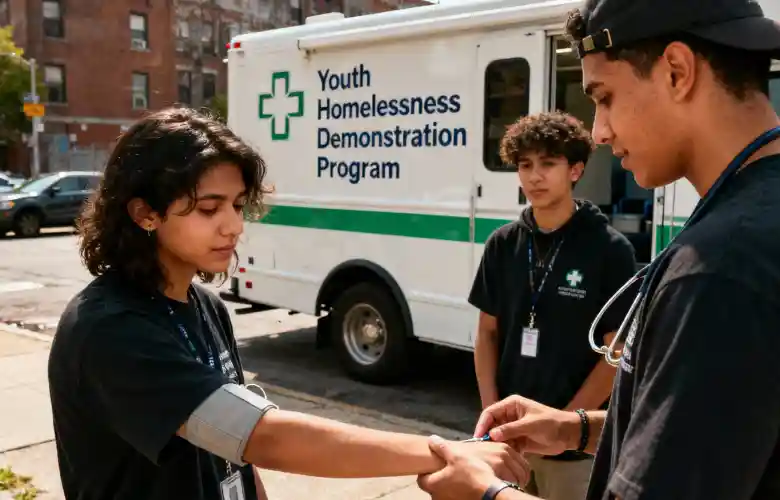
The Youth Homelessness Demonstration Program (YHDP), a core component of the 2026 NOFO, focuses specifically on youth ages 24 and under experiencing homelessness, including unaccompanied youth and pregnant or parenting youth.
Key Objectives
Promoting community-wide commitment to ending homelessness
Funding supports states, counties, tribes, and nonprofits in building coordinated approaches to prevent, address, and end youth and family homelessness.
Rapid rehousing for vulnerable groups
Including survivors fleeing domestic violence, sexual assault, dating violence, and stalking.
Strengthening access to mainstream services
CoCs help participants connect to healthcare, employment, education, and public benefits.
Creating sustainable community models
YHDP grantees develop replicable community approaches that become national best practices.
Improving self-sufficiency
Ensuring individuals and families gain long-term stability, skills, and independence.
Who Can Apply for FY 2025–2026 CoC & YHDP Grants
HUD's NOFO includes a wide range of eligible applicants capable of delivering homelessness services at scale.
Eligible Applicants
- State governments
- County and city/township governments
- Native American tribal governments
- Tribal organizations
- Public/Indian housing authorities
- Nonprofit organizations with 501(c)(3) status
- Special district governments
- Faith-based organizations
Individuals, sole proprietors, and foreign entities are not eligible.
Key Requirements
- Applicants must align with CoC priorities and local homelessness strategies.
- Programs must support vulnerable populations, including youth, families, survivors of violence, and people facing chronic homelessness.
- Activities must demonstrate measurable outcomes in housing placement, safety, self-sufficiency, and system coordination.
- Applicants must use e-snaps to submit their applications by January 14, 2026, 8:00 PM ET.
HUD's eligibility guidance emphasizes capacity, community coordination, and evidence-based models as core selection criteria.
Note : Applicants should carefully review the official HUD NOFO and the Grants.gov listing before applying. For complete, up-to-date details, refer to the official listing on Grants.gov and cross-check it with HUD resources.
Priority Funding Areas for the 2026 CoC & YHDP NOFO
HUD will distribute funding across key homelessness intervention categories, prioritizing high-impact models that demonstrate results.
Rapid Rehousing & Transitional Housing
Supports youth, families, and survivors by providing temporary housing with pathways to permanent stability.
Supportive Services
Includes case management, counseling, employment support, education pathways, and trauma-informed care.
Permanent Housing (with new restrictions)
HUD will allow no more than 30% of a CoC's Annual Renewal Demand to fund permanent housing projects, an unprecedented shift from prior years.
HMIS – Homeless Management Information System
Funds data collection, reporting, and monitoring to improve system-wide coordination.
DV Bonus Projects
A dedicated $52M supports projects assisting survivors of domestic and dating violence, sexual assault, and stalking.
High-Performing Communities
Eligible to use funding for homelessness prevention activities, subject to HUD criteria.
Grant Details at a Glance
| Category | Details |
|---|---|
| Total Funding | $3.918 billion |
| Award Ceiling | $25,000,000 |
| Award Floor | $2,500 |
| Expected Awards | ~7,000 |
| Application Deadline | January 14, 2026 |
| Submission Platform | e-snaps via Grants.gov |
| Funding Components | Transitional Housing, Supportive Services, Permanent Housing, HMISTransitional Housing, Supportive Services, Permanent Housing, HMIS |
Note: Applicants should carefully review the official Grants.gov listing before applying.
For complete and accurate details, visit the listing page
How to Build a Competitive HUD CoC/YHDP Proposal
Winning proposals must demonstrate:
Deep knowledge of community needs
Describe youth homelessness trends, local risks, equity gaps, and service shortages.
Clear, measurable outcomes
Examples:
- Reductions in youth unsheltered homelessness
- Increasing permanent exits from homelessness
- Safety outcomes for survivors of violence
Strong system coordination
Show collaboration with schools, child welfare, behavioral health, healthcare, justice systems, and youth-serving agencies.
Lived experience leadership
HUD prioritizes proposals developed with youth leaders and individuals with lived expertise.
Technology that strengthens tracking & reporting
Platforms like GridSocial by SocialRoots.ai help programs:
- Track participant progress
- Manage referrals
- Monitor service delivery
- Generate outcome-focused funder reports
- Increase competitiveness with evidence-based insights
How to Apply
The application process follows HUD's structured timeline:
Step 1: Review Eligibility & NOFO Requirements
Confirm alignment with CoC priorities and funding components.
Step 2: Submit Applications via e-snaps
Deadline: January 14, 2026, 8:00 PM ET.
Step 3: Complete the CoC Consolidated Application
CoCs must rank, evaluate, and prioritize all project submissions.
Step 4: Await Award Announcement
Expected date: May 1, 2026.
Step 5: Prepare for Possible Mid-2026 Gaps
CoCs may need to secure alternative funding until HUD disburses the 2026 awards.
Note: The links below are provided as helpful references and analysis for planning purposes. Applicants should verify all official requirements, deadlines, and submission instructions on the HUD/Grants.gov NOFO before applying.
NAEH Full Analysis (PDF): FY2025 CoC Program NOFO Full Analysis PDF
Where GridSocial by SocialRoots.ai Supports Applicants
For homelessness service providers and CoCs, high-quality data often defines the difference between funded and unfunded proposals.
Using GridSocial, organizations can:
- Track youth outcomes across shelter, rehousing, and service programs
- Monitor referrals to supportive services and community partners.
- Generate real-time dashboards for CoC scoring and documentation
- Produce HUD-compliant reports with minimal administrative effort.rt
- Strengthen evidence of impact and readiness for federal funding.
Integrating GridSocial helps applicants present scalable, measurable, and data-driven proposals that align with HUD’s competitive scoring criteria.
Conclusion: Advancing Housing Security for America's Youth
The 2026 HUD CoC and YHDP funding opportunity represents one of the nation’s most significant investments in ending youth homelessness. With $3.9 billion available, communities have a powerful chance to build sustainable, trauma-informed, and youth-centered systems that prioritize housing, safety, and long-term self-sufficiency.
By crafting data-driven proposals, strengthening partnerships, and using advanced tools like GridSocial, organizations can position themselves to secure funding and drive meaningful progress toward ending homelessness for young people across the United States.