2026 Climate Smart Communities Initiative (CSCI) Grants: Full Eligibility & Application Guide
The Climate Smart Communities Initiative (CSCI) has opened its 2026 grant cycle to help U.S. communities strengthen their capacity to adapt to climate impacts, including extreme heat, flooding, drought, storms, wildfires, and sea-level rise. With a funding pool of $1.5–$2 million and individual grants ranging from $75,000 to $115,000, CSCI supports projects that protect vulnerable communities and build long-term climate resilience.
Designed especially for historically disinvested and high-risk populations, these grants combine financial assistance with technical expertise and participation in a national learning cohort. This guide breaks down everything applicants need to know, from eligibility and priorities to the application steps and an example of a past award recipient.
Why the Climate Smart Communities Initiative Exists
CSCI was created to help communities prepare for the accelerating impacts of climate change. Many regions across the United States are already experiencing severe weather shifts that threaten health, infrastructure, culture, and local economies.
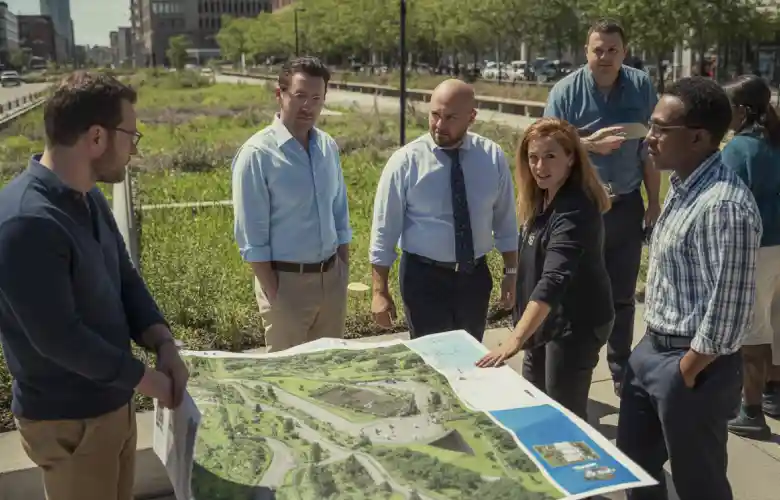
CSCI addresses these challenges through five core principles:
- Community-led planning : Residents understand their needs best, so projects are shaped by community priorities.
- Support for underserved communities : CSCI focuses on areas that have been historically overlooked or underfunded.
- Active government involvement : Local or regional governments join the project to ensure long-lasting, sustainable progress.
- Nature-based solutions : When appropriate, CSCI encourages approaches such as tree planting, wetland restoration, and green infrastructure.
- Technical support and learning resources : Grantees gain access to experts and peer networks to strengthen their resilience strategies.
Together, these elements help communities move from "awareness" to actionable climate resilience planning and long-term readiness.
Eligibility: Who Can Apply for CSCI Grants?
To apply for the 2026 cycle, applicants must meet all of the following eligibility rules:
1. Eligible Project Locations
Projects must be located within eligible U.S. regions, which include all 50 states, Washington, D.C., Puerto Rico, the U.S. Virgin Islands, Guam, the Northern Mariana Islands, American Samoa, and federally recognized Tribal Nations in these areas. Both the applicants and the project itself must be based in one of these approved locations to qualify.
2. Communities Facing Real Climate Impacts
Communities must demonstrate that they are experiencing climate-related hazards such as flooding, extreme heat, drought, storm surge, sea-level rise, or wildfire. CSCI reviews both environmental exposure and socioeconomic vulnerability to determine whether the community faces significant climate risks.
3. Adaptation-Focused Projects Only
CSCI funds climate adaptation efforts, not climate mitigation. Projects related to renewable energy, electrification, energy efficiency, emissions reduction, or carbon sequestration are not eligible for funding. All projects must directly support community adaptation and resilience to climate impacts.
4. Community Size Limits
To ensure support reaches small and mid-sized communities, CSCI limits eligibility based on population size. Communities with fewer than 300,000 residents are fully eligible to apply.
Regions with populations up to 500,000 residents may qualify only if the proposed project covers a broader regional area. Communities with populations larger than these limits are not eligible for CSCI funding.
5. Required Three-Partner Model
Each CSCI application must include three partners: an Adaptation Practitioner (approved in the Registry before March 12, 2026), a Community-Based Organization that represents residents, especially underserved groups, and a Local or Regional Government with authority to support or implement resilience work. If any partner is missing, teams can use the Registry to find qualified collaborators.
Key Funding Priorities for the 2026 CSCI Grants
1. Climate Change Vulnerability
CSCI gives the highest priority to projects that address urgent climate hazards such as flooding, extreme heat, drought, wildfire, and coastal impacts. To be competitive, applicants must demonstrate how their proposed work will reduce risk for vulnerable communities and help them better prepare for these climate challenges.
2. Equity
Equity is at the center of CSCI's mission. The program directs explicit funding toward communities that have experienced historical disinvestment, face socioeconomic challenges, or are highly exposed to climate threats. Projects should clearly show how they support and uplift these populations.
3. Nature-Based Solutions (NbS)
CSCI encourages the use of nature-based solutions where appropriate because they are flexible, cost-effective, and provide long-term resilience benefits. Examples include wetland restoration, living shorelines, expanding urban tree canopy, and installing rain gardens or other green infrastructure. While NbS is strongly encouraged, it is not a mandatory requirement if it does not align with local needs.
4. Readiness for Measurable Progress
Projects must demonstrate that the community is ready to make measurable progress during the 12-month grant period. This includes showing alignment with previous planning work and the Steps to Resilience Framework. CSCI favors realistic proposals, informed by prior assessments, and positioned to lead to meaningful action.
5. Long-Term Capacity Building
CSCI prioritizes projects that strengthen a community's long-term resilience beyond the grant period. This includes efforts that build local skills, leadership, planning capacity, and systems that will continue to support climate adaptation work long after the grant ends.
Requirements, Use of Funds & Restrictions
Requirements for CBOs & Local/Regional Governments
Community-Based Organizations and government partners must co-develop the project budget with the adaptation practitioner, attend both the CSCI orientation and the Steps to Resilience (StR) orientation, and actively participate in project activities throughout the 12-month grant period. After the grant ends, they must complete a follow-up survey to help CSCI evaluate long-term outcomes and community impact.
Requirements for Adaptation Practitioners
Adaptation practitioners play a key technical role and must attend both required orientations, complete kickoff, mid-year, and final surveys, and join a scheduled check-in call at the six-month mark. They must also contribute content to the project case study, which documents lessons learned and supports CSCI's national learning network.
Approved Use of Funds
CSCI funds may be used for climate vulnerability assessments, community engagement activities, planning facilitation, and the identification or prioritization of resilience actions. Funding can also support work that prepares the community to secure future financing for implementation. Grant funds may be passed through to project partners, and subcontracting arrangements are flexible based on project needs.
Restrictions
All grant-funded work must be completed within the 12-month project period and must occur entirely within eligible U.S. communities or Tribal Nations. CSCI does not allow grant funds to be used for lobbying, competitive subgrants, or climate mitigation activities such as renewable energy or emissions reduction. Overhead costs are capped at 10 percent of total direct expenses. Projects proposing new staff positions must have a clear plan for sustaining that position after the grant period ends.
Note : Applicants should carefully review the official CSCI website before applying
For complete and accurate details, visit www.climatesmartcommunity.org/funding
Example of a Past CSCI Award Recipient
A strong example of past funding is the Keex Kwaan Climate Change Adaptation Plan in Alaska.
This project helped the geographically isolated Alaska Native community of Kake prepare for worsening extreme weather. The initiative focused on community outreach, food sovereignty, and long-term planning. Partners included the Organized Village of Kake Tribe, Spruce Root, and Figus Consulting Services, LLC.
This example reflects CSCI's goals: equity-centered, community-driven, and resilience-focused.
Note: For examples of previously funded CSCI projects, visit: www.climatesmartcommunity.org/funding/grants-awardees/.
Step-by-Step Application Process
Step 1: Assemble Partners
Applicants must form a team that includes all three required partners:
- An Adaptation Practitioner (approved in the Registry of Adaptation Practitioners)
- A Community-Based Organization (CBO)
- A Local or Regional Government partner
If any partner is missing, applicants can use the Registry of Adaptation Practitioners to find vetted individuals or organizations qualified to join the project team.
Step 2: Submit the Application
Once all partners are confirmed and the Adaptation Practitioner is officially listed in the Registry, the team may proceed with submission. In most cases, the Adaptation Practitioner serves as the lead applicant, submits the proposal, and manages the grant if awarded. All completed applications must be submitted by March 12, 2026.
For a detailed view of the whole application process, visit the official CSCI Application Process page:
2026 CSCI Grant Timeline
- Nov 13, 2025 : Informational webinar released
- Early Feb 2026 : Deadline to assemble required partners
- Mar 12, 2026 (8 PM ET) : Final application deadline
- July 2026 : Grant agreements finalized
- Aug 2026 : One-year grant period begins
Note : Kindly verify all deadlines directly on the official website for the most accurate, up-to-date information.
Why These Grants Matter for Climate Resilience
The CSCI grants empower communities to:
- Prepare for climate hazards
- Improve local planning and government readiness.
- Support the historically underserved population.
- Adopt a community-driven, nature-based strategy.
- Build long-term resilience that continues beyond the grant period.
These investments help communities take meaningful, measurable steps toward protecting people, ecosystems, and local economies.
How GridSocial by SocialRoots.ai Supports Climate Resilience Projects
To apply successfully, teams must demonstrate strong collaboration, precise data tracking, and measurable outcomes. GridSocial helps by providing:
- Climate vulnerability assessment tracking
- Community engagement monitoring
- Cross-partner coordination tools
- Referral and case management
- Automated, funder-ready reporting
- Dashboards that visualize resilience progress
GridSocial by SocialRoots.ai strengthens the operational backbone needed for high-impact climate resilience work.
Final Thoughts
The 2026 Climate Smart Communities Initiative offers a powerful opportunity for communities to build climate resilience, especially those most vulnerable to environmental change. By following CSCI's clear guidelines and focusing on equity, readiness, and community engagement, applicants can develop strong proposals that advance long-term adaptation goals.
For the latest updates and official details, visit: Climate Smart Communities Initiative — climatesmartcommunity.org